Stop Treating the Wrong Spot
...and Resolve Your Back & Sciatic Pain at the Source.
The 6-Week Pain-Free Reset is an online cohort program that guides you in finding and resolving the real sources of your pain—because the problem is usually not where you feel it.
Methods used by 400+ clients and taught to 600+ therapists worldwide.
Pain-Free Reset runs as small, private cohorts—by application only.
Currently accepting applications for the next cohort.
Each cohort limited to 8 participants for direct coaching and personalized feedback.
Apply For The Next Cohort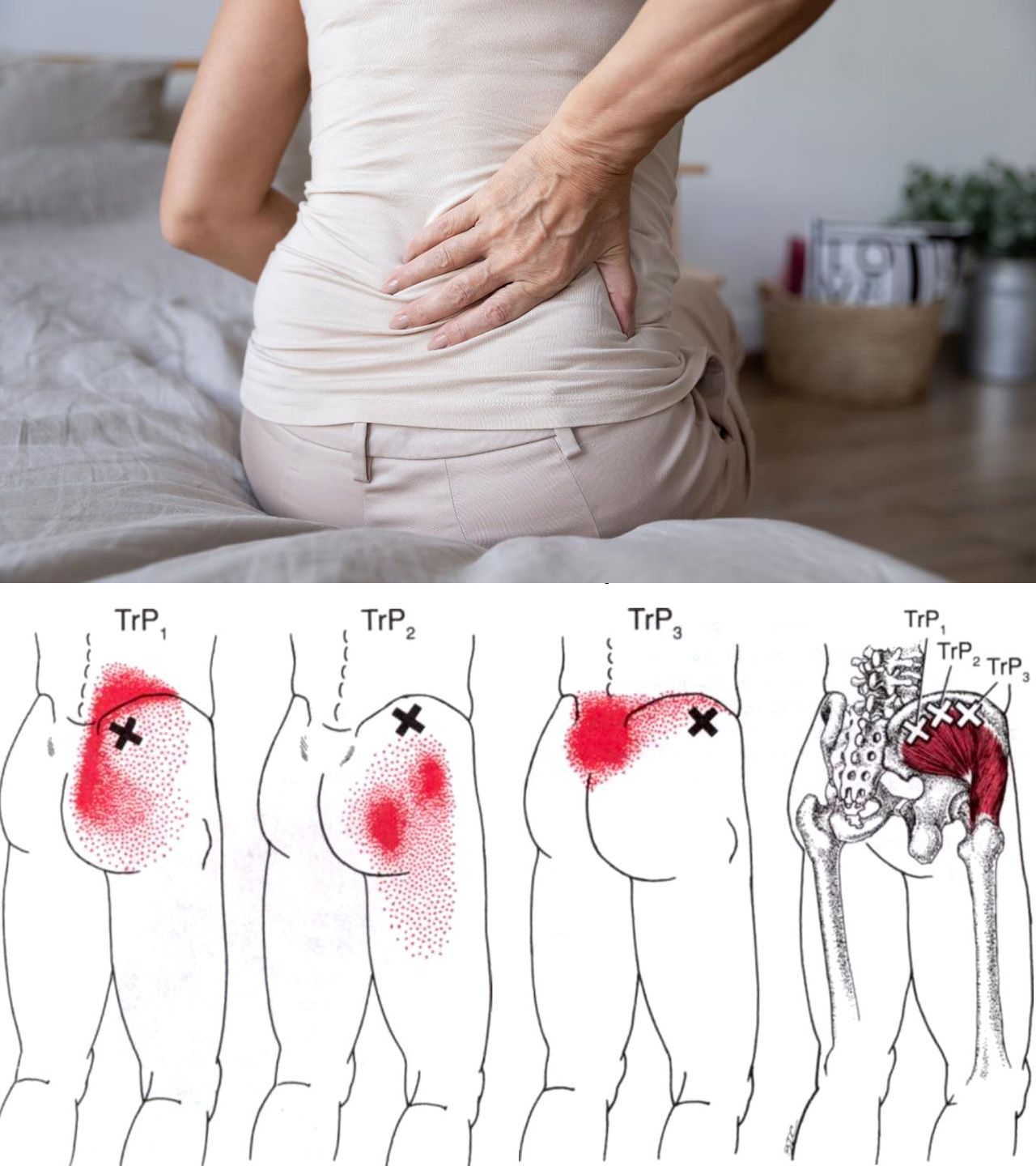
Most Pain Treatment Starts in the Wrong Place
You've been told your pain comes from:
- a disc
- the SI joint
- nerve irritation
But in many cases, that’s not the source.
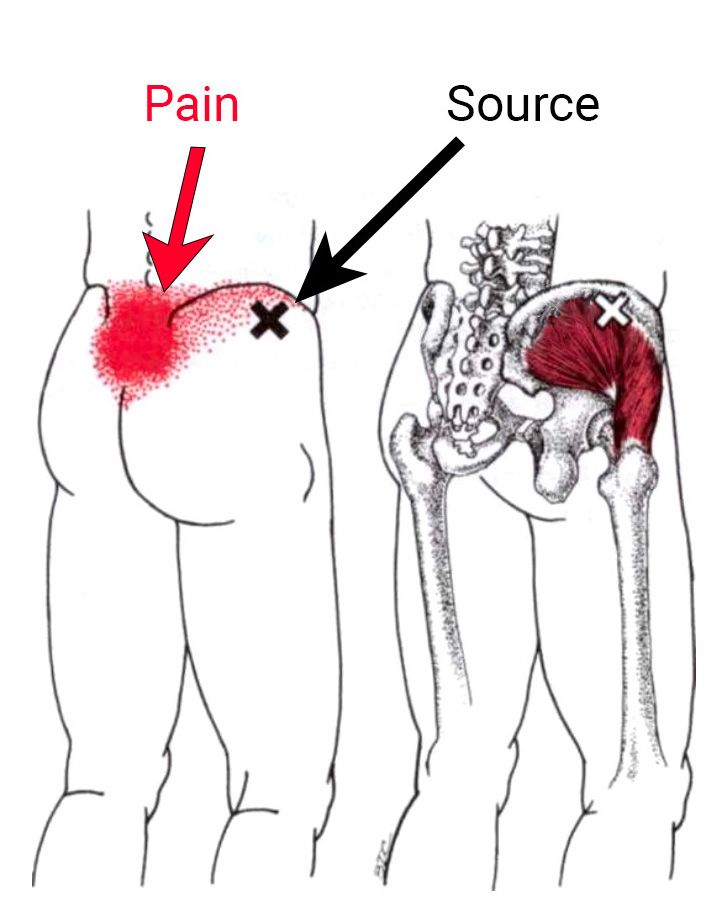
Pain is often referred from muscle trigger points—which means the real problem is somewhere else.
If you’re treating where it hurts, you’re likely missing the cause.
Pain-Free Reset starts by finding—and fixing—the actual source.
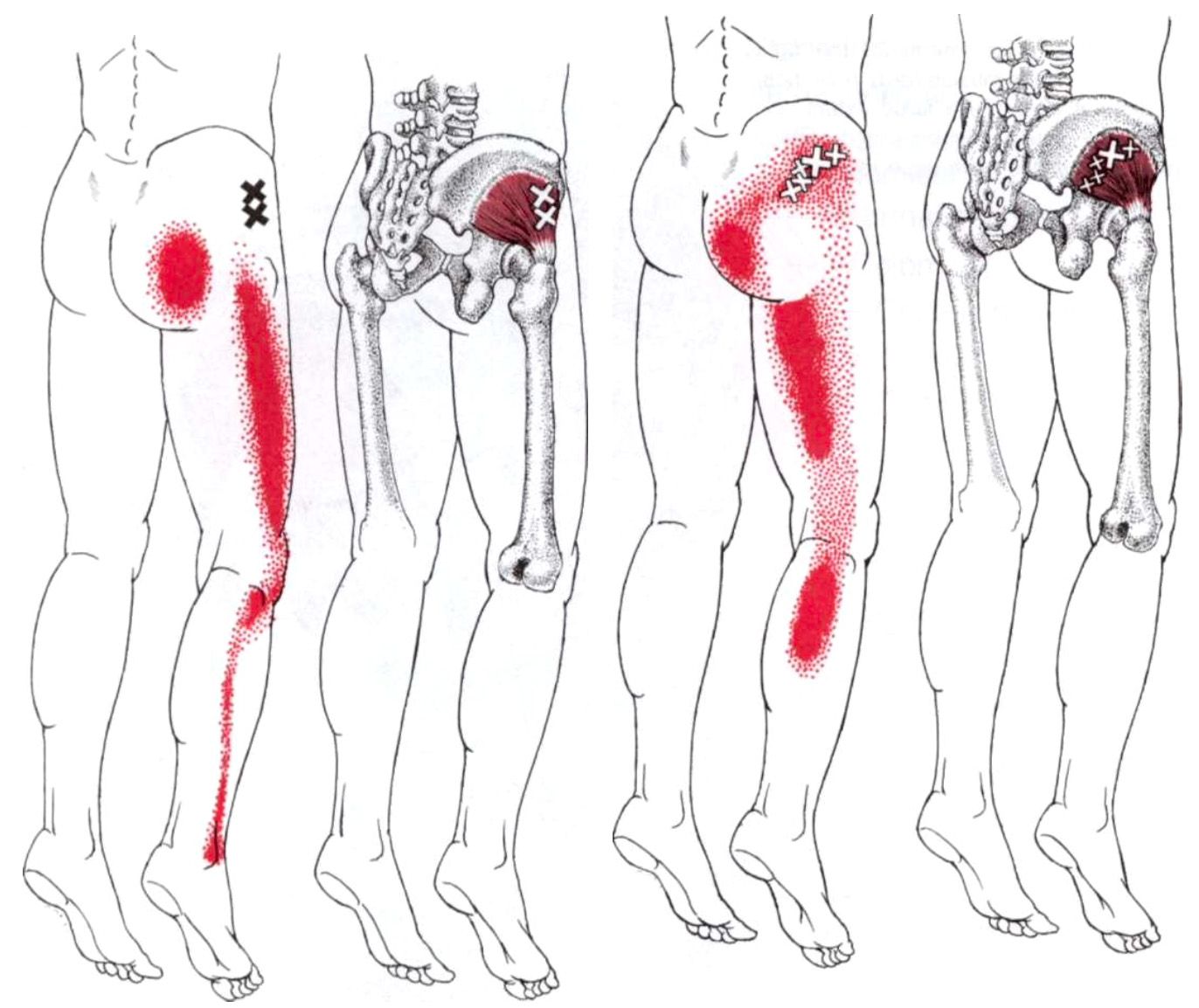
[Image: Gluteus minimus muscle trigger point pain referral. Xs indicate pain source, red color indicates pain sensation.]
Real Results From People Using These Methods

"Dear Sir, you have helped me a million times more than the countless videos by PT's. My first try gave immediate results. Logic applied=results. Thank you."
"I have gotten pain relief following 2 years of worsening SI joint pain! Thank you so much."
"I had previously done a glute/piriformis stretch that relieved about half. Treating the glute trigger points is what resolved it the rest of the way"
"Wow. Just wow. I watch countless videos on this topic and yours makes the most sense of all. I can't thank you enough."
These responses come from people who have used this method.
Many arrived after months or years of trying physical therapy exercises, chiropractic care, stretching routines, and other treatments that never addressed the actual neuromuscular source of their pain.
If You’ve Had Temporary Relief—Or None at All—This Explains Why
Stretching didn’t fix it.
Strengthening didn’t fix it.
Treatment didn’t hold—or didn’t help at all.
That usually means one of two things:
You’re working in the right system—but not with enough precision.
Or you’re treating the wrong place entirely.
Pain-Free Reset is designed to identify which—and fix it.
Where You Feel Pain Is Rarely Where the Problem Is
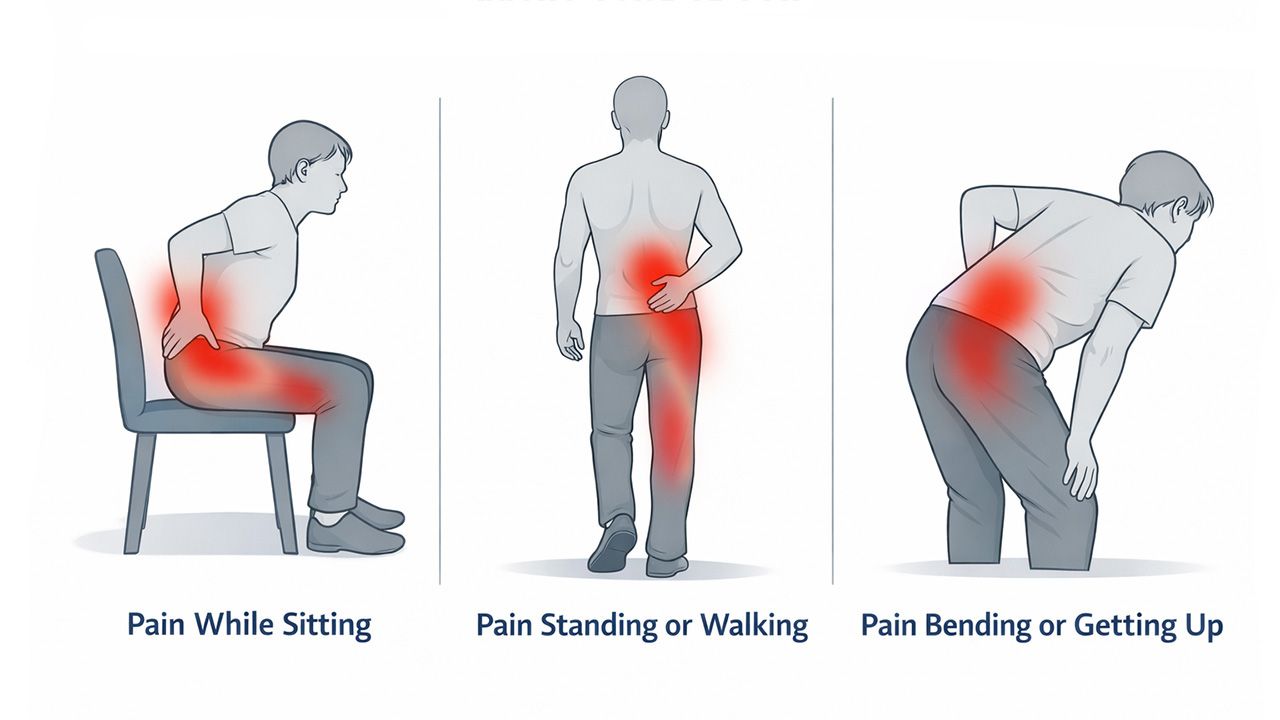
Trigger points can refer pain to completely different areas:
- glute minimus → sciatic pain down the leg
- glute medius → low back and sacral pain
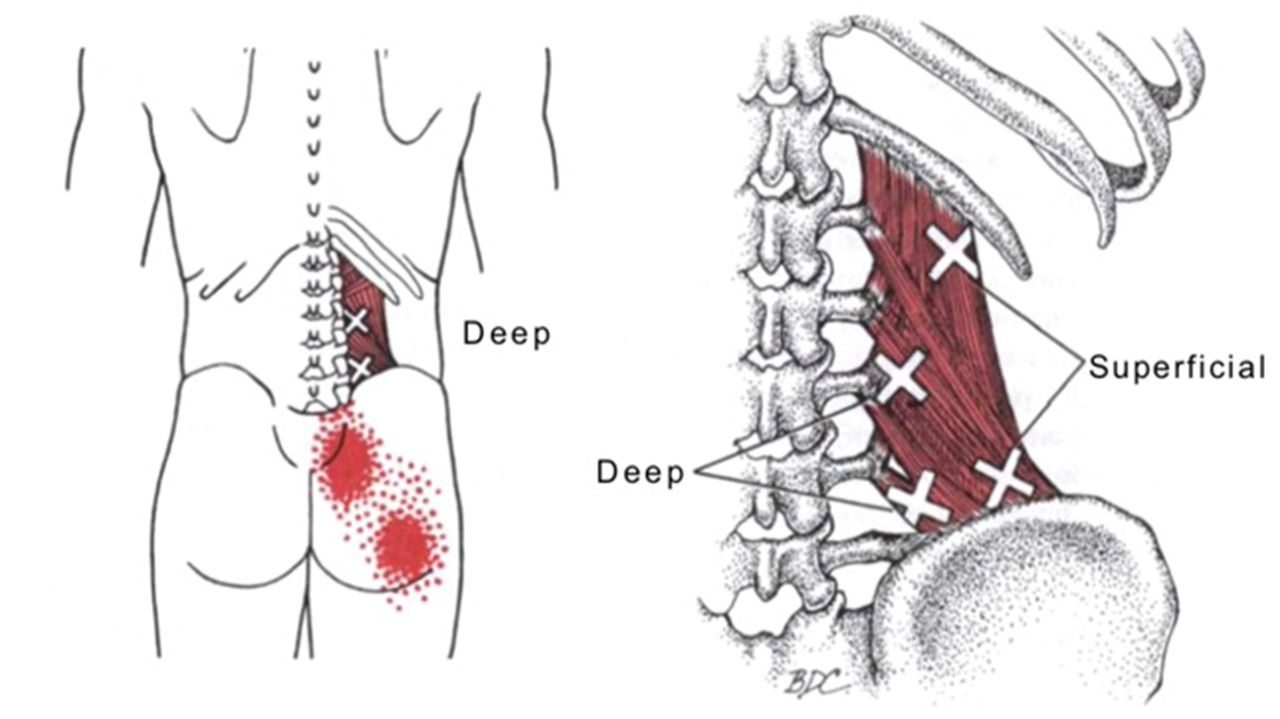
- quadratus lumborum → deep hip and SI-type pain
Because the pain shows up somewhere else, the true source is often overlooked.
So people keep treating the symptom—and the cycle continues.
[Image: Quadratus lumborum pain referral mimics nerve irritation and SI joint dysfunction - Xs mark the trigger point, red indicates where pain is felt.]
Why Most Doctors and Physical Therapists Don't Test This
If trigger points are so common, why haven’t you heard this before?
There are several reasons.
1. Medical training focuses on structural problems
Discs, joints, and nerves—not muscle referral patterns
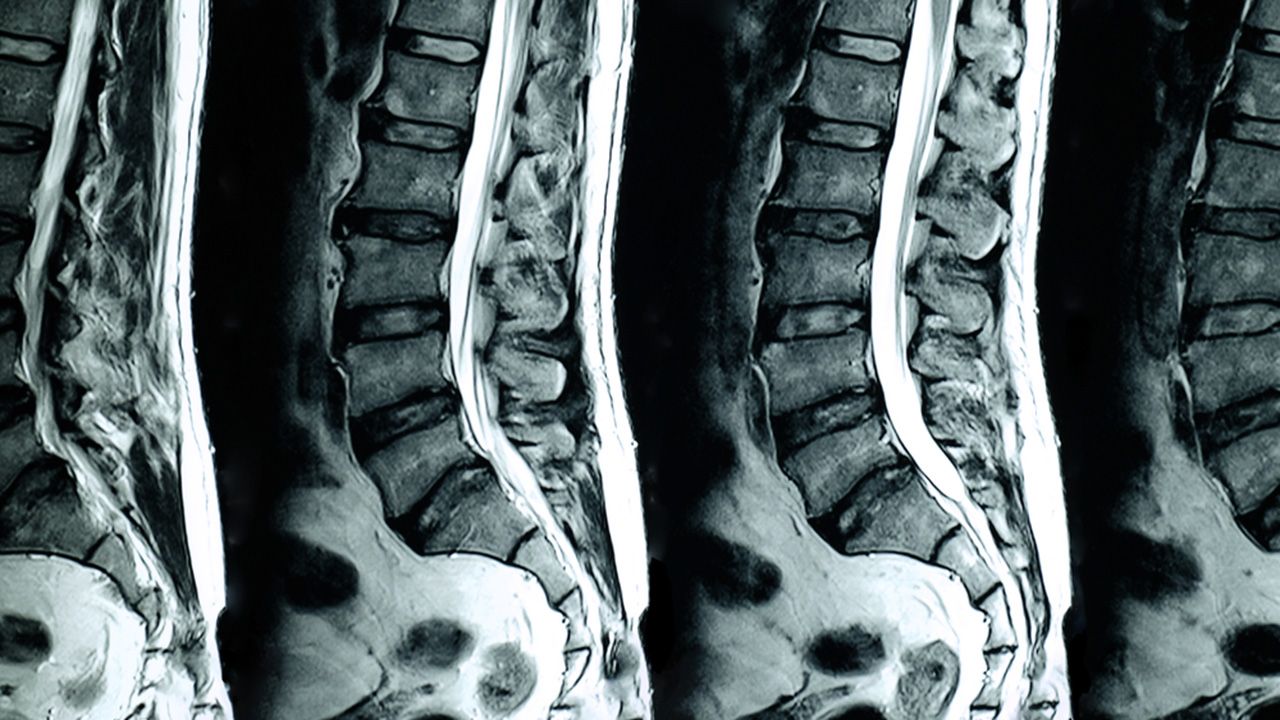
2. Trigger points don't show up on MRI or X-ray
They are functional neuromuscular phenomena, not structural defects.
3. Identifying trigger points requires specific training
Practitioners must understand: specific palpation techniques and pain referral patterns.
So even though this source is common—it’s often missed.
What the Research Shows
Muscle trigger points are a well-documented source of musculoskeletal pain.
Over the past two decades, the number of scientific publications examining trigger points and myofascial pain has increased dramatically.

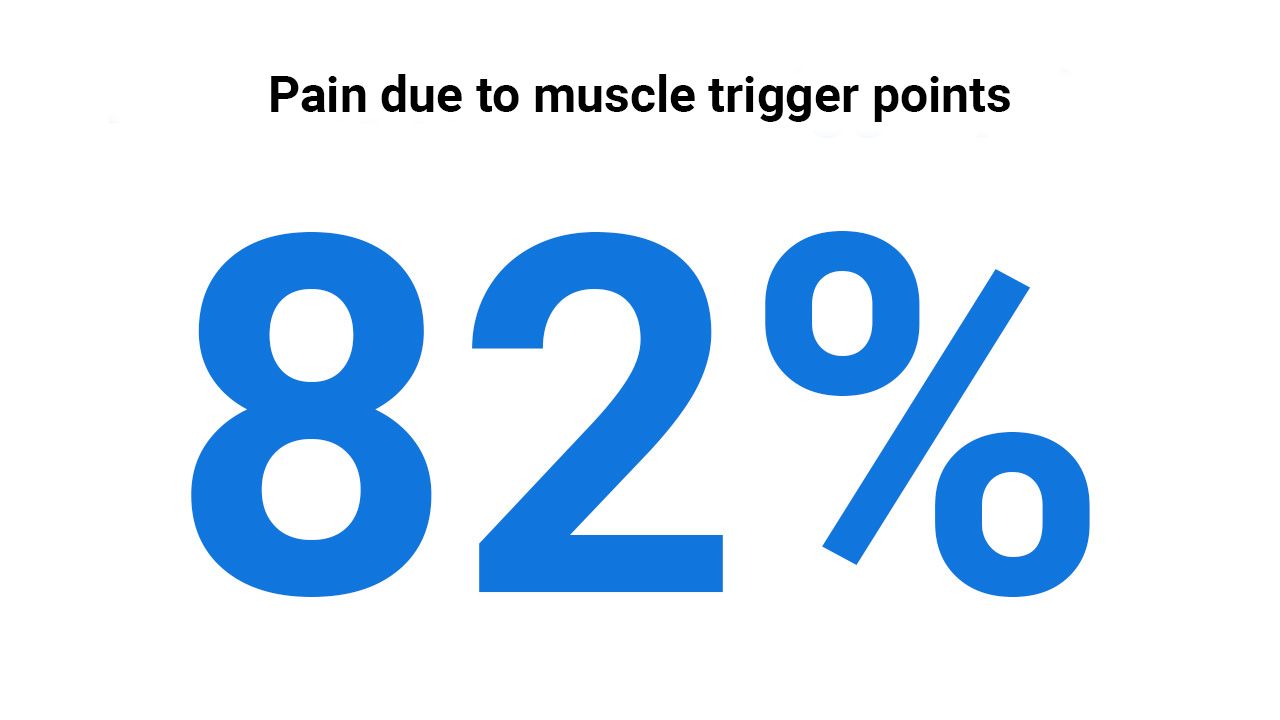
In a 2018 study of 997 patients across six pain clinics that tested for trigger points:
- 82% of cases were driven by muscle trigger points
- 75% reported significant short-term improvement
- 72% reported long-term improvement
Yet most treatments still start with structural explanations.
Pain-Free Reset tests the most common neuromuscular source first.
Why Most Treatments Plateau
- They treat the symptom location
- They don’t map full referral patterns
- They don’t re-test in real time
So results are:
- temporary
- inconsistent
- incomplete
Pain-Free Reset is built on testing—not assumption.
How The Pain-Free Reset Works
This is not a routine.
It’s a process:
Test → Refine → Integrate
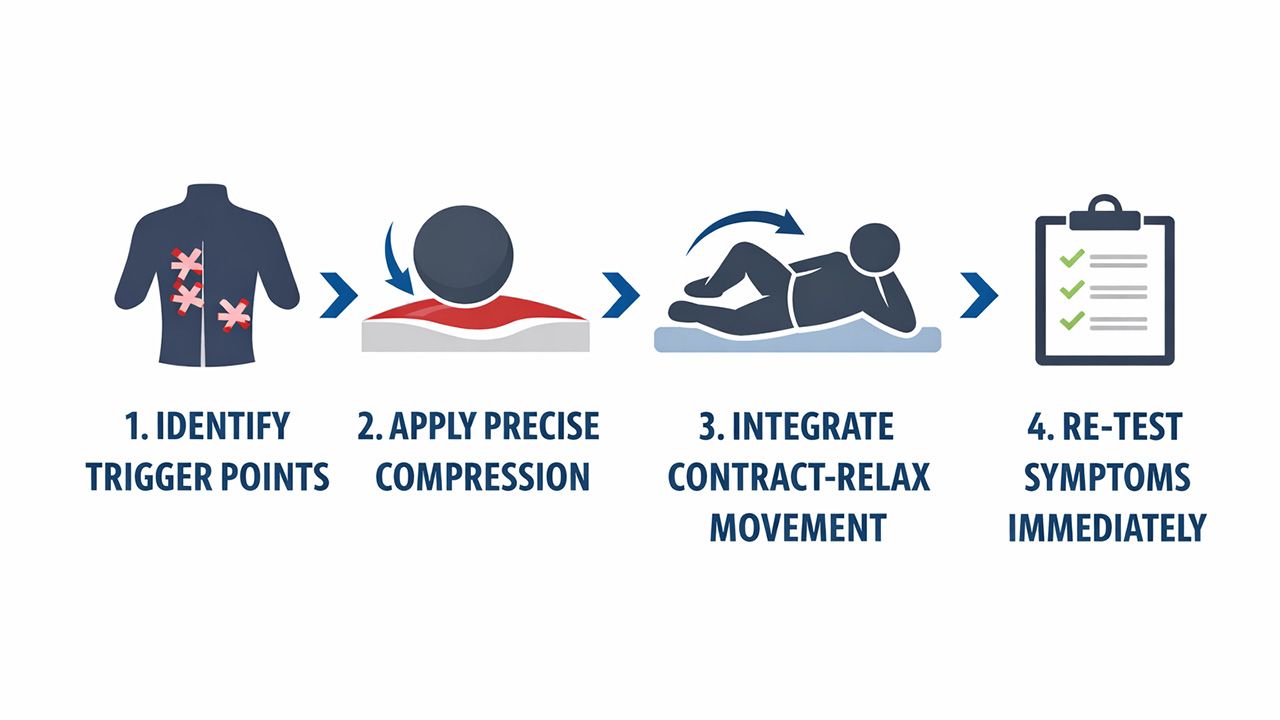
- identify likely trigger point drivers
- treat with precise compression + movement
- re-test symptoms immediately
- refine based on what actually changes
When the correct source is treated:
- pain decreases
- movement improves
- and you know exactly why
Most people begin noticing meaningful changes within the first week.
Case Study: Shoulder Pain Resolved in One Session
Rapid change can happen when the real pain source is treated.
In this online session, the client had severe shoulder pain and could barely lift her arm overhead without pain shooting down the back of the arm.
Instead of stretching or strengthening, we treated the trigger points most likely generating the pain signals.
Using guided compression and movement sequencing, we treated the involved muscles and then re-tested her shoulder movement.
By the end of the session, her range of motion returned and the pain was dramatically reduced.
Her reaction said it all:
“Wow… that’s crazy.”
Pain-Free Reset teaches you how to apply these same principles with guided coaching to ensure precision.
Case Study: Low Back Pain Resolved in 3 Days
One client came into an online session with persistent low back pain and difficulty bending forward.
Instead of more exercises or stretching, I coached him through precise self-treatment of the trigger points most likely generating the pain.
We identified the likely sources, applied targeted compression, integrated contract–relax movement, and re-tested his symptoms.
He continued the sequence for a few days.
Three days later he sent this message:
“I feel great, like it was never bad. I even went on the rower last night and had no pain.”
This is the kind of change that can happen when the correct trigger points are identified and treated precisely.
Pain-Free Reset teaches you how to do that yourself, with coaching to make sure you’re doing it right.
What You'll Actually Do Inside the Program
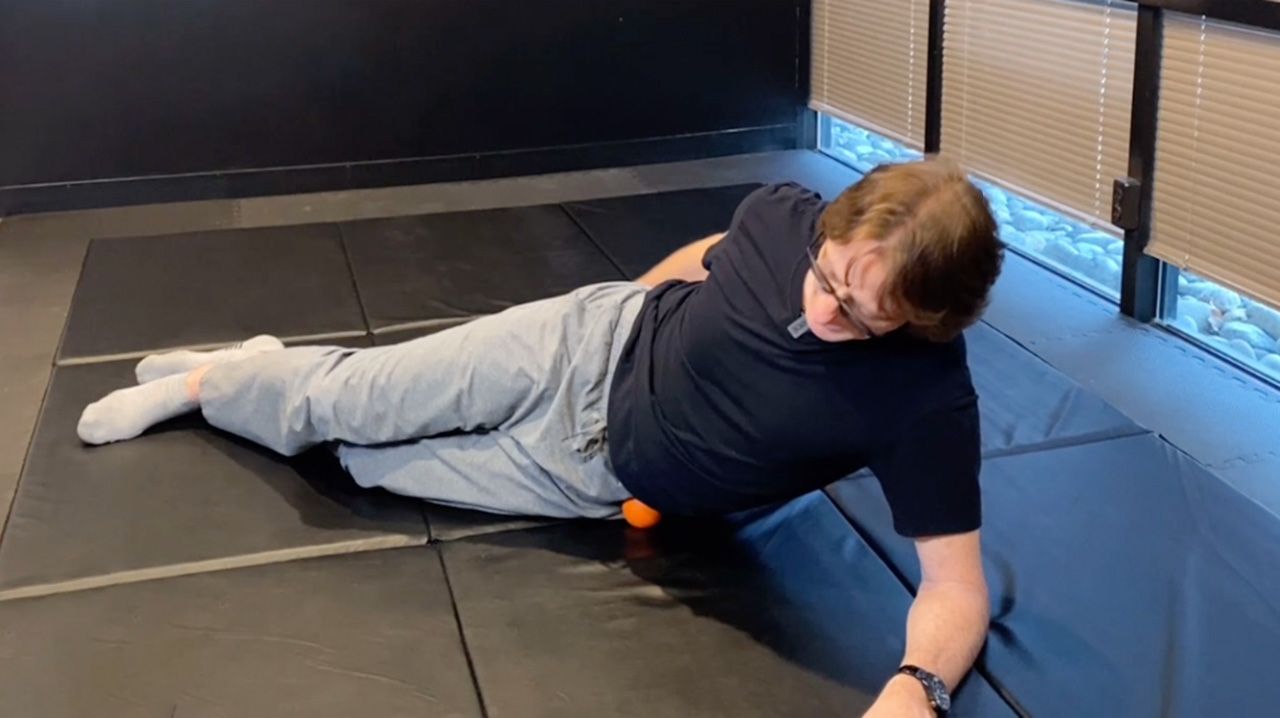
Apply precise compression to trigger points.
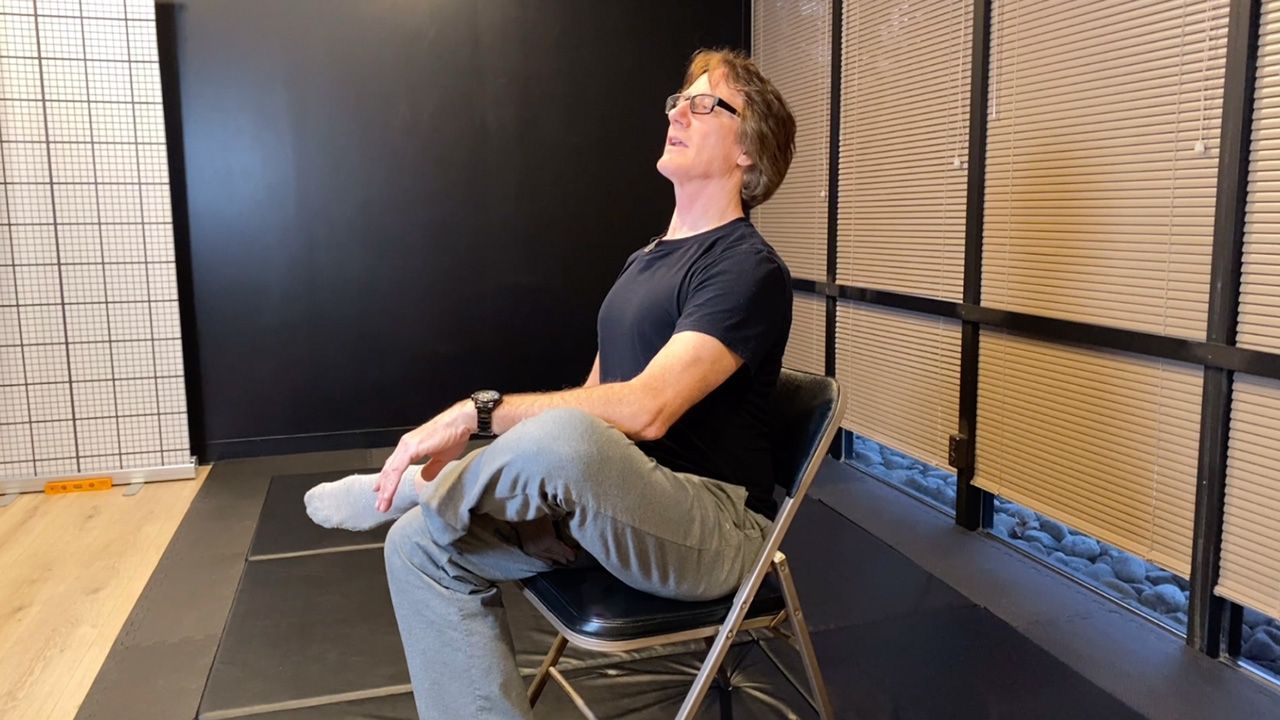
Use contract-relax movement to restore pain-free movement.
Pain-Free Reset is an active, guided program.
Each week, you’ll follow a structured process designed to identify and resolve the trigger points generating your pain.
Here’s what that looks like:
Step 1: Identify Likely Trigger Points and Perpetuating Factors
We narrow down the specific muscles most likely generating your symptoms based on:
- your pain pattern
- how your symptoms respond to testing
We also address common factors that can prevent progress (such as asymmetries or loading patterns).
Step 2: Apply Targeted Self-Treatment
You’ll use simple tools (like a compression ball) to apply precise pressure to the identified trigger points.
- no complicated equipment
- no guesswork about placement
Massage tools can help, but are optional.
Step 3: Contract-Relax Movement
After treating the trigger points, you’ll perform specific contract–relax movements.
This helps:
- reduce pain signals
- restore normal movement
- reinforce the change in the system
Step 4: Re-Test Your Symptoms
You’ll immediately re-test the movement or position that previously caused pain.
This gives you a clear signal:
- if symptoms improve → you’re on the right track
- if not → we adjust
Weekly Coaching & Feedback
Each week, your approach is refined based on how your body responds.
You’ll submit short videos of your self-treatment so I can:
- correct your technique
- improve precision
- help you target the right areas
If something isn’t changing, we adjust.
If something works, we build on it.
Daily Time Commitment
Most participants spend 20–30 minutes per day following their personalized sequence.
What Makes This Different
You are not guessing.
You are not following a generic plan.
You are:
- testing
- treating
- and refining
based on real-time feedback from your body.
When Other Treatments Didn't Work, This Did

"This is helping after one day only. I'm 73 and have been battling this SI condition since my early 30s. I've been in and out of emergency rooms, chiropractors, PTs, the whole gamut - pain $1200 for some kind of shot years ago. I just didn't know. Thank God for people like you."
More responses from people trying these methods:
"Feeling so much better today! I was so ready to go to urgent care yesterday for this sciatica and knee pain. Glad I didn't have to do that. Thank you!"
"So far it has helped! Will continue doing for maintenance. Thank you!"
"Thank you for all your help! GOD bless you!"
"It worked. Thanks master."
"Big help, thanks."
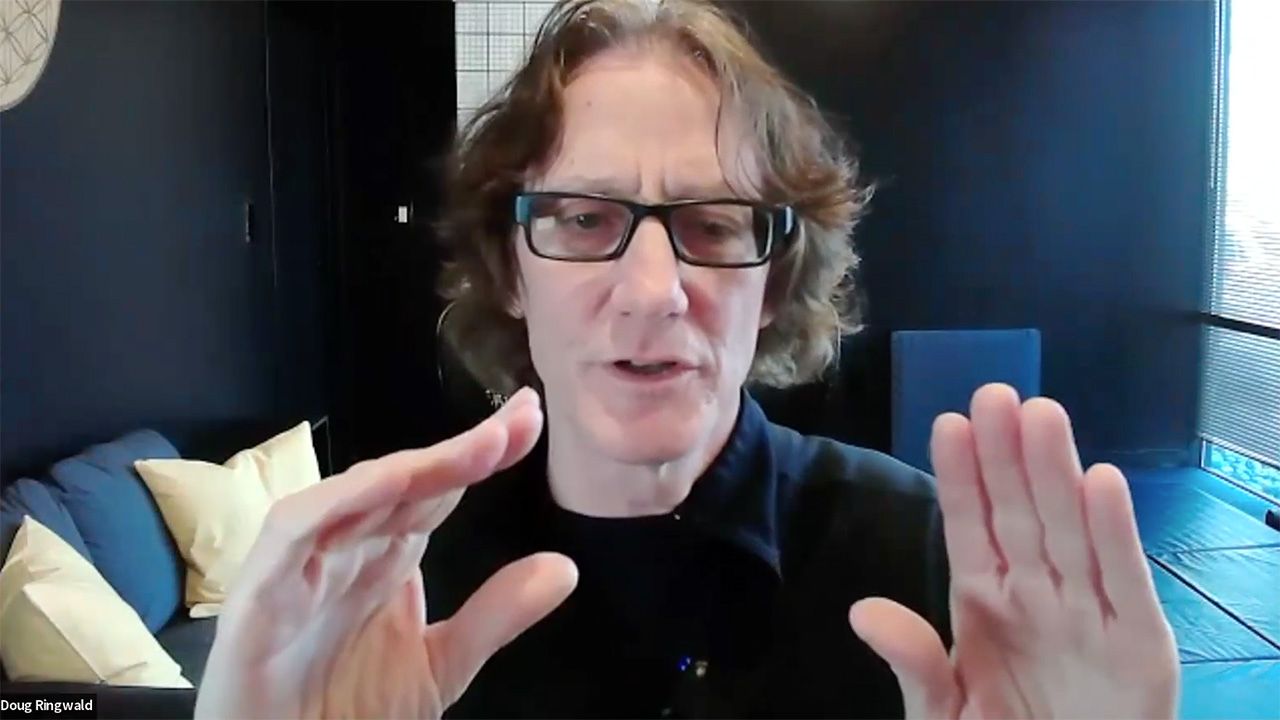
About Doug Ringwald
Doug Ringwald has helped more than 400 clients resolve persistent musculoskeletal pain over the past 12 years, including many cases that had not improved with physical therapy, chiropractic care, injections, or surgery.
Doug is a Coaching The Body® Master Practitioner and has trained more than 600 therapists and movement professionals in trigger point–based pain resolution and neuromuscular integration.
His work focuses on identifying the neuromuscular sources of persistent pain and resolving them efficiently using:
- precision trigger point mapping
- targeted compression
- contract–relax movement sequencing
- immediate symptom re-testing
These methods are used both in hands-on sessions and in guided online coaching programs like Pain-Free Reset.
What You Get Inside Pain-Free Reset
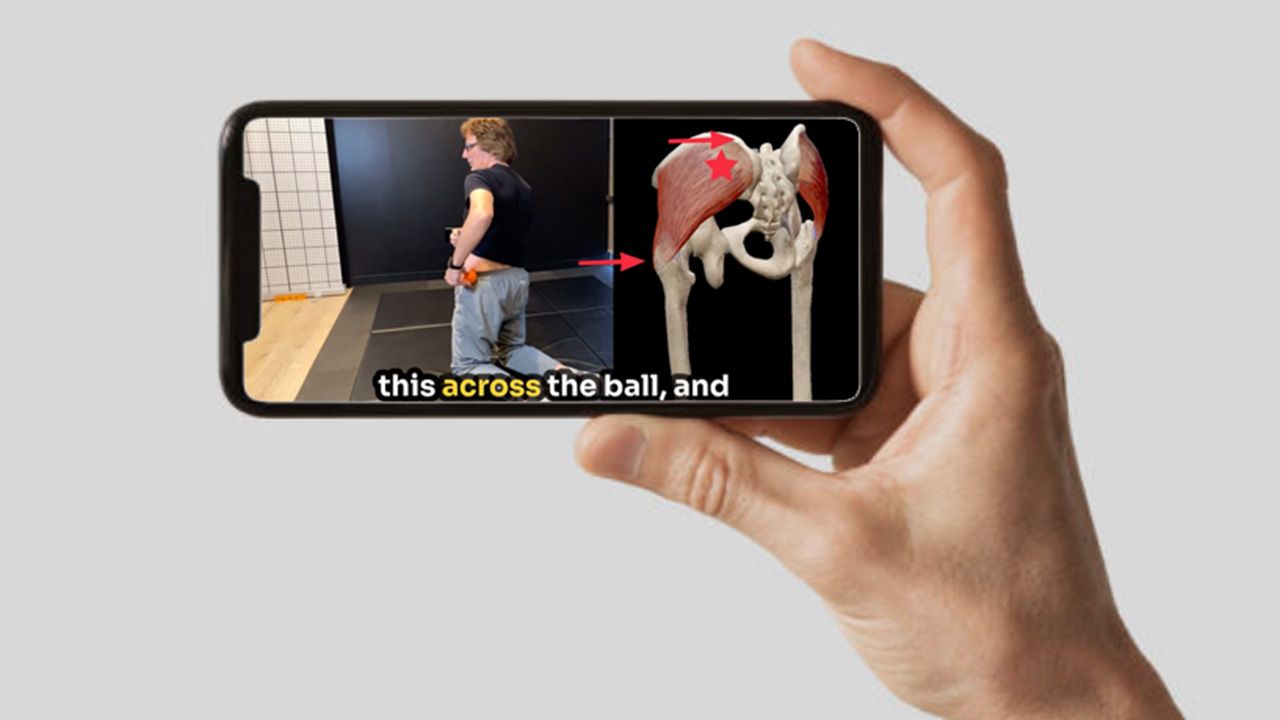
1-on-1 Pain Source Analysis
Identify the trigger points generating your pain
(Value: $600)
Personalized Self-Treatment Protocols
Custom self-treatment sequences for your exact pain pattern.
(Value: $600)
Video Feedback on Your Technique
So you know you're hitting the right spots correctly.
(Value: $400)
Weekly Coaching and Refinement
Adjust your strategy based on real results.
(Value: $600)
Accountability and Progress Tracking
Support to ensure treatment consistency.
(Value: $300)
Total Value: $2,500+
Program Investment: $1,497
You're not paying for more information.
You're paying to identify and resolve the actual source of your pain
Participation Guarantee:
If you attend the coaching calls and follow the treatment protocols but do not experience meaningful improvement in pain or movement, you may request a full refund during the program or within 14 days after it ends.
Pain-Free Reset runs as small, private cohorts—by application only.
Currently accepting applications for the next cohort.
Each cohort limited to 8 participants for direct coaching and personalized feedback.
Apply For The Next Cohort
The Cost of Staying in the Wrong System
Many people spend months or years trying to fix this:
- physical therapy
- chiropractic
- massage
- exercise programs
Often $2,000 to $5,000+ with temporary results.
Pain-Free Reset compresses that into 6 focused weeks.
No clinics.
No guesswork.
No wasted time.

Why Only 8 Participants
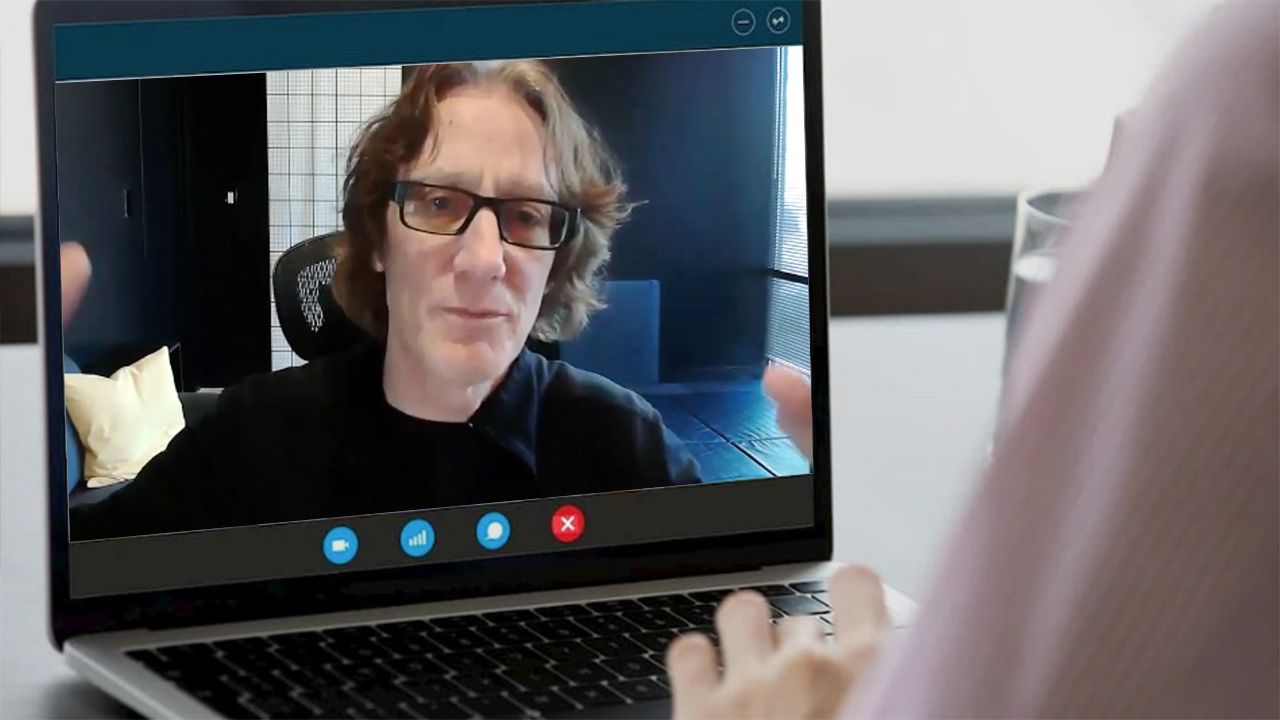
Pain-Free Reset is intentionally limited to eight participants per cohort so each person receives direct coaching and individualized feedback.
Each participant receives:
- personal analysis of their pain pattern
- video feedback on treatment sessions
- weekly coaching and treatment refinement
Because every case of persistent pain is different, treatment strategies evolve week by week based on how your body responds.
Limiting the cohort ensures that each participant receives the attention necessary to identify the true trigger point sources of their pain.
Once the eight spots are filled, enrollment closes until the next cohort.
Who Pain-Free Reset Is For
This program is designed for people experiencing:
- persistent low back pain
- sciatic or nerve-like pain down the leg
- recurring pain that improves temporarily but returns
- pain that has not fully resolved with stretching, exercise, PT, or chiropractic care
Participants should be comfortable performing simple self-treatment techniques at home and attending weekly coaching calls.
This Program May Not Be a Fit If:
- your pain is caused by a recent traumatic injury
- you require immediate medical care or surgical treatment
- you are unable to perform basic self-treatment movements
Pain-Free Reset focuses on persistent musculoskeletal pain patterns commonly generated by muscle trigger points.
Frequently Asked Questions
Is this a medical program?
What if my pain is caused by a disc issue?
What if this doesn't work for me?
How quickly can improvement happen?
Do I need anatomy knowledge?
What do I need to do in this program?
Do I need any equipment?
Why are there only eight participants?
Stop Treating the Wrong Spot. Fix the Source.
You don't need another routine.
You need to identify—and resolve—the actual cause.
Pain-Free Reset runs as small, private cohorts—by application only.
Currently accepting applications for the next cohort.
Each cohort limited to 8 participants for direct coaching and personalized feedback.
Program Investment: $1,497
Apply For The Next Cohort