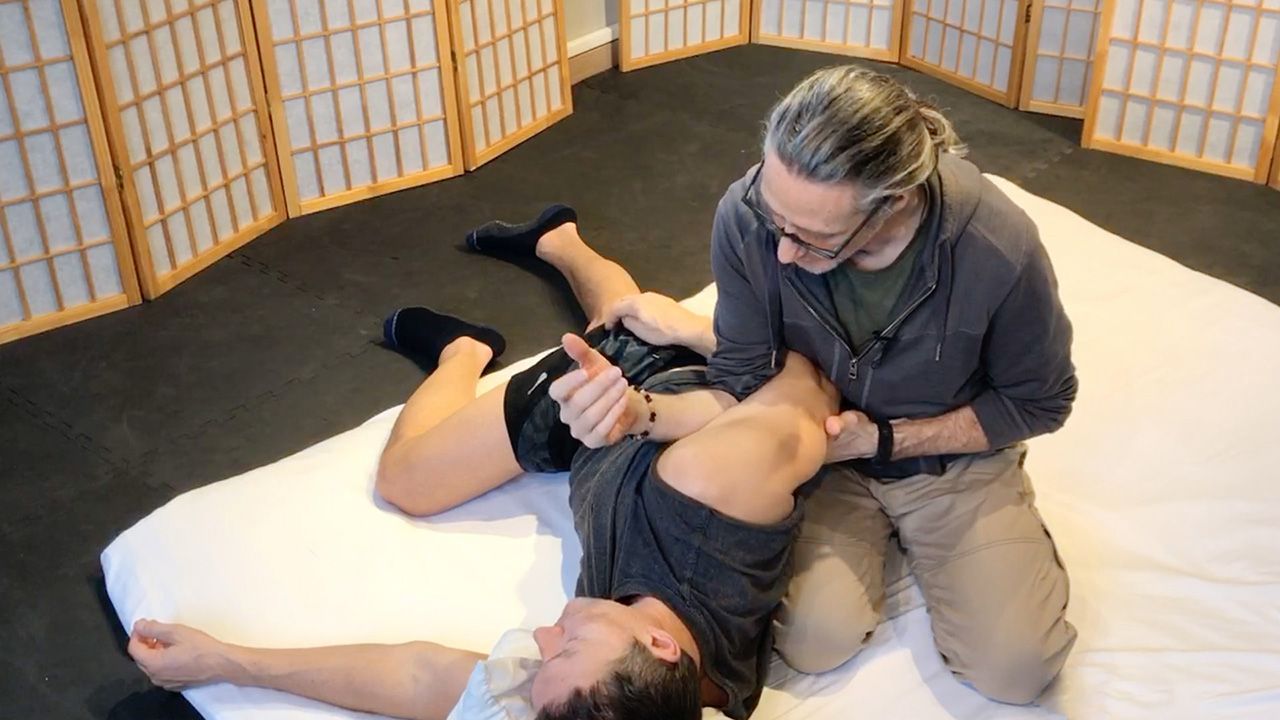
Softening Interscapular Muscles Through Antagonist-Based Treatment Sequencing
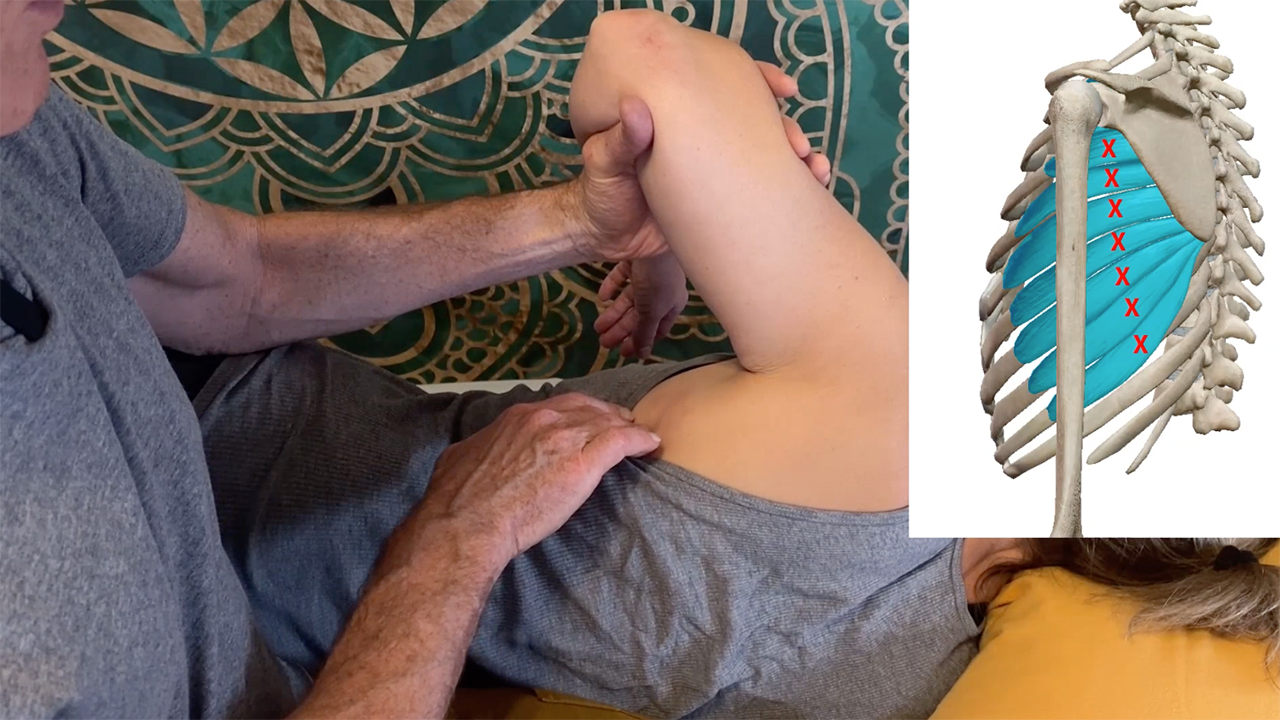
A short, four video demonstration showing how interscapular restriction and shoulder pain can change rapidly when the antagonist muscle (serratus anterior) is treated with a specific treatment cycle, rather than chasing the symptomatic tissue alone.
For Clinic Owners and Directors
This demonstration is provided so you can evaluate whether this approach would benefit your business by:
- Supporting therapist skill development and long-term career satisfaction
- Improving results for a very common and stubborn client complaint (interscapular pain)
- Increasing retention through consistent outcomes
- Reducing therapist burnout by emphasizing sequencing over force
- Generating more referrals from clients who experience dramatic change
If it is relevant, I’m open to discussing an in-clinic evaluation demo, a short paid staff training, or participation in my upcoming Upper Core course (Feb 21–22).
Doug Ringwald
ph: 312-420-3427
email: [email protected]
1 - Introduction
A brief explanation of the clinical problem this approach addresses and why interscapular work often plateaus when the antagonist is not included in the treatment strategy.
2 - Dramatic Before/After
A real client example showing rapid changes in shoulder motion and symptom presentation after applying an antagonist-based treatment cycle rather than working the interscapular region in isolation.
3 - Primary Treatment: Antagonist-Driven Release
A full treatment demonstration showing how interscapular muscles are effectively released by pairing direct work with a specific antagonist treatment cycle, rather than relying on local pressure alone.
This sequence illustrates:
- Why the interscapular region often resists change
- How treating the opposing muscle alters tone and control
- How sequencing matters more than force
This is shown in real time, with minimal edits.
4 - Treatment Cycle With Vibration
An optional variation of the same treatment cycle using vibration to enhance neuromuscular response.
This is not required but can accelerate results.
For Clinic Owners & Directors
This demonstration is provided so you can evaluate whether this approach would benefit your business by:
- Supporting therapist skill development and long-term career satisfaction
- Improving results for a very common and stubborn client complaint (interscapular pain)
- Increasing retention through consistent outcomes
- Reducing therapist burnout by emphasizing sequencing over force
- Generating more referrals from clients who finally experience change
If you'd like to evaluate whether this approach makes sense for your therapists--either through an in-clinic demo, paid staff training, or the Upper Core weekend workshop, contact me directly:
Doug Ringwald
phone: 312-420-3427
email: [email protected]